

※一部プロモーションが含まれます

アガルートの評判がひどいって話は本当?
 セサミン
セサミンすでに解決済みや個人の主観的な発言でした。
資格講座の選択で不安に感じ、アガルートの「ひどい」という評判が本当か気になりますよね?実は、ひどいと言われている評判は、すでに解決したことや個人の主観的な発言だったのです。
- HPがサーバーダウンするは解決済み
- マネオプが高額すぎるはバズ狙いの投稿
- 司法書士講座が安すぎるは松竹梅の法則で説明可能
- 講座が聞き取りづらいは回避可能なトラブル
- 講座がスマホで見づらいは特徴を生かせていない人の発言
- 自己採点の結果がひどいは、アガルートの評判ではない
- 最近の評判がひどいは個人の主観的な発言
 セサミン
セサミンSNSの評判は信憑性に欠けます。必ず複数の情報源で確認しましょう。
アガルートは各講座で合格者の声を公表しています。合格者の顏や氏名を公開しており最強のエビデンスです。「この講座に出会えて、やっと合格できた」こんな声もありました。
あなたも「本気で合格を勝ち取りたい」と思っているのであれば、いますぐアガルートで合格に向けた学習をスタートさせましょう。
\効率的な教材と高い合格率!/
合格者特典もあり!
アガルートがひどいと言っていた7つの評判とその真実

どんなことで、アガルートがひどいって言われたの?
セサミンひどいと言われた評判内容を一覧で確認しましょう。
上記票の内容に限らずアガルートの「ひどい」と言われている評判を調査すると、過去に解決済みとなっているものや、個人の主観からされた発言と判断できるものが多いです。
なんで解決済みとか、個人の主観とかわかるの?
セサミン判断材料を使って、一つずつ確認しました。
- 数年前の投稿で、現在は解決済み。
- ひどいと言っている人の絶対数が少ない。
- ひどいと言われた内容を、合格者は感謝している。
- そもそも投稿者はアガルートを利用していない。
失敗したくない。アガルートを検討するときに「ひどい」と言われている評判が気になります。しかし大切なことは、『その投稿内容は信じるに値するものなのかどうか』なのです。
あなたも「評判」などの情報を調べる場合は、自分で真偽を必ず判断することをおすすめします。では、一つずつ事例を見ながら確認していきましょう。
「アガルートのHPがサーバーダウンするのがひどい」は解決済み
アガルートは過去数回にわたり、ホームページがサーバーダウンしました。原因は、人気講座の視聴期限が最終となる日にアクセスが集中したため。サーバーダウン直後の対応と今のサーバー運用状況が適切で、今はこの評判は解決済みなんです。
ここで注目してもらいたいのが投稿日です。現在も、「アガルートのサーバーダウンがひどい」という評判は複数確認できたのですが、すべて日付が古い情報ばかりでした。
では、アガルートのサーバーダウン後の対応はどうだったのでしょうか。一例ですが、サーバーダウン後の対応を見てみましょう。
【サーバーダウンの件について】本日で視聴期限を迎える司法試験講座が複数ある関係で,動画視聴・音声ダウンロード等が集中していることが原因であると思われます。(中略)。該当講座については,始業後の4日以降,視聴期限延長等の措置を講じますので,時間をおいてアクセスをして頂けますようよろしくお願い申し上げます。
引用:アガルートアカデミー公式Twitter
セサミン原因特定や、トラブル後の対策が高いレベルで行われています。
インフラは「24時間365日、普通に動いているのが当たり前」という領域です。サーバーダウンなどが起きますと、ユーザーの皆様は勿論、会社の皆さんにもご迷惑をおかけしてしまうので、それらのリスクや、問題点をいかに低減できるかが自分としては一番の課題です。
引用:アガルートのシステム開発室を紹介します
アガルートは、サーバーダウン後すぐに原因を突き止め、受講者が不利益を被らないように対応しています。そして、経験を活かし、アガルートのエンジニアがサーバーなどインフラ設備の維持に尽力していることがわかります。
「アガルートのホームページがサーバーダウンするからひどい!」という評判は、古い投稿という点と、アガルートバックアップ体制から解決済みと判断できます。
セサミンいつ投稿されたのか。日付を必ずチェックしましょう。
「アガルートのマネオプが高額すぎてひどい」はバズ狙いの投稿だった!
【司法試験予備試験の2024年・2025年度合格目標カリキュラム】のマネージメントオプション(略称マネオプ)は、2022年度に約400万で販売されていました。当時は評判の良いオプションで、今は販売完了しています。当時は、SNSで非利用者によるバズ狙いの投稿がみられました。
マネージメントオプションとは
司法試験予備試験の合格カリキュラムを完全に消化できるよう、司法試験プロ講師による個別指導をオプションとして付したものです。アガルート独自のサポート内容となっており、2024年・2025年度のマネージメントオプションは、最短合格カリキュラム768,460円(税込)を含む価格となっています。
司法試験の受験資格は、予備試験合格者や法科大学院(ロースクール)卒業生のみ。どちらのルートを選択しても数年がかりの長い道のり。そこから、司法試験を受験して合格するかどうかの狭き門です。
相当な学習時間と費用がかかります。もし、司法試験突破まで1年、2年と短くなったら…。学習費用は少なくなり、憧れの法曹会で稼げる。そういうコンセプトで作られたのが、2024年・2025年度のマネージメントオプションでした。
「アガルートのマネオプは400万でひどい」という評判がある反面で、「アガルートのマネオプが神過ぎる」のような、感謝する声もあります。詳しく当時の販売内容をみると、本気で最短合格を目指す受講生にとって、納得できるの価格であったことがわかります。
| 最短合格カリキュラム | コーチングオプション | マネージメントオプション | |
|---|---|---|---|
| 講座視聴期限 | 2025年9月末 | ||
| 指導主体 | 司法試験合格者 | プロ講師 | |
| 指導ペース | 隔週 | 毎週 | |
| 時間 | 30分 | 60分 | |
| 添削通数 | 約40通 | 約150通 | |
| ティーチング | |||
| ラウンジ利用 | |||
| 指導方法 | オンライン指導 | オンライン指導 ラウンジ指導 | |
| サポート期間 | 2023年1月~ 2024年7月末 | 2022年10月~ 2024年7月末 | |
| 価格(税込) | 768,460円 | 1,384,460円 | 3,958,460円 |
2024年・2025年度のマネオプは、プロ講師による長期徹底指導が売りでした。司法試験上位合格者もいる講師陣が、合計70回の個別指導。さらに、1年10か月に及ぶ個別の進捗管理受けられたんです。
重要なのは、もう一つのオプションがあったという事実。アガルートはマネオプと合わせてコーチングオプションも販売していました。つまり、状況に合わせてオプションが選択可能だったのです。しかも、コーチングオプションは他社と比べると割安でした。
- オプションは2つから選択できた。
- オプションを付けない選択もできた。
- 無料で自分に合う講座の相談ができた。
- コーチングオプションは他社より割安。
- マネオプ推しのSNS投稿が多くみられた。
- マネオプは独自のサービスで単純な比較は不可能。
詳細を伝えずに400万という金額だけを言えば、「ひどい」という評判は独り歩きします。このことから、「アガルートのマネオプは400万でひどい」という評判は、非利用者のバズらせたい投稿である、と判断できるのです。

「アガルートの司法書士講座が安すぎてひどい」は松竹梅の法則が影響していた
アガルートの司法書士講座は2018年開講の新しい講座です。他社が先行し有利な状況にあり、アガルートは顧客獲得のため低い価格設定をしています。しかし、人は極端を避ける傾向(松竹梅の法則)にあるんです。
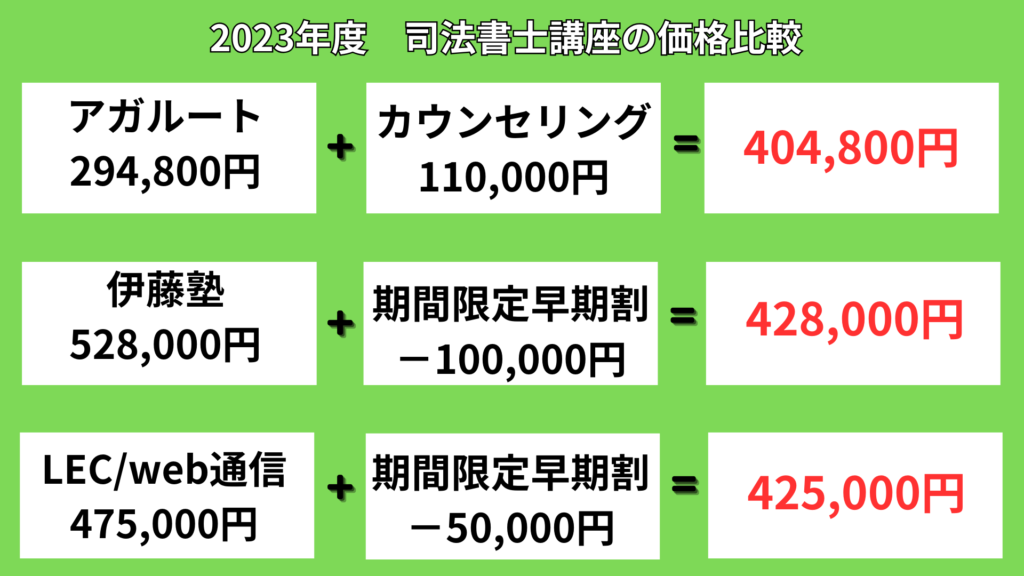
| 商品 | 特徴 | 価格(税込) |
|---|---|---|
| アガルート 入門総合カリキュラム/ライト 入門総合カリキュラム/フル | 合格したら特典が受けれる 定期カウンセリングがつけられる 司法書士講座の知名度が低い | 239,800円 294,800円 |
| 伊藤塾 | カウンセリング制度付き 演習対策が手厚い 割引を受けられる時期が決まっている | 528,000円 |
| LEC 通信web 通学web | 通学と通信が選択可能 質問フォロー制度が手厚い 通信はDVDプレーヤーが必要 | 475,000円 556,000円 |
アガルートのひどいと言われる評判通り、価格だけで判断するとアガルートが頭一つ抜けて安いです。ですが、割引制度やカウンセリングの有無などを考慮して、サービス内容をなるべく近い状態で考えます。そうすると、実際の各社講座価格も近い値となりました。
 セサミン
セサミン申込み時期やオプションで価格は変わります。しっかり確認しましょう。
人は極端に安いと警戒します。「アガルートの司法書士講座は価格が安すぎてひどい。」という評判は、価格だけをみて投稿された発言でした。確かに、アガルートの司法書士講座は低く設定されています。開講から日が浅く、宣伝効果の意味も含んでいます。
ですが、申し込み時期や追加オプションを設定などで、他社との差が縮まります。あなたも、人の主観的な発言に惑わされず、しっかり講座内容と価格を確認しましょう。
\効率的な教材と高い合格率!/
合格者特典もあり!
「アガルートの講座が聞き取りづらくてひどい」は回避可能なトラブルだった
講師は話し方に癖がある方や、聞き手によって特徴が合わない方もいます。しかし、これはアガルートに限った話ではありません。そして、各社無料資料請求で事前に確認ができます。つまり、「アガルートの講座が聞き取りづらくてひどい」という評判は、避けれたトラブルなんです。
「アガルートの社労士講座が聞き取りづらくてひどい」と言っている評判があるのですが、この講座を受講しているすべての方が同じように感じているのでしょうか?じつはその反対で、ひどいという評判を受けている講師に感謝をしている方もいるんです。
実際に資料が届き、講義を視聴すると、竹田先生の講義がとてもわかりやすく、興味深くどんどん講義を進めていけたので、もう一社資料請求していましたが、そちらの講義を視聴する前に即決しました。
引用:アガルートアカデミー合格者の声
後悔して後戻りした方もいれば、わかりやすいと感じ合格した方もいました。個人の主観的な部分が大きいですが、長い講義を受講するのに相性は重要です。合格者の声にもあるように、大事なことは複数社資料請求をして、あなたに合っているかどうか確認することなんです。
セサミンどんな人気講師でも苦手という人は必ずいます。
「聞き取りづらい」という評判は、どの通信講座でも出てくる投稿です。そして、講師の話し方は資料請求で事前に確認できました。つまり、「アガルートの講座が聞き取りづらくてひどい」という評判は、事前対策で簡単に回避できたトラブルだったと判断できます。
「アガルートの講座がスマホで見づらくてひどい」は特徴を生かせてない人!

アガルートはテキストを撮影しながら講座を録画しています。受講生はテキストで進行状況を確認しながら、効率的な学習ができるのです。さらに、外出先でテキストを持ち歩く必要がないので、インプットに最適と評判。つまり、「アガルートの講座がスマホで見づらくてひどい」という評判は、メリットを理解していない投稿と言えます。
アガルートはスマホ完結型の講座ではありません。テキストは製本版とデジタルデータ版の2種類。動画講義とテキストの両方を使い学習を進める方式となっています。そして、動画講義ではテキストを撮影しながら進行するため、今どこを説明しているのかが明確です。
しかし、スマホだと画面が小さいため、講座内のテキストが見づらく机上での学習には不向きと言えます。自宅でテキストを開きながらの学習では、パソコンやタブレットなどが便利でしょう。
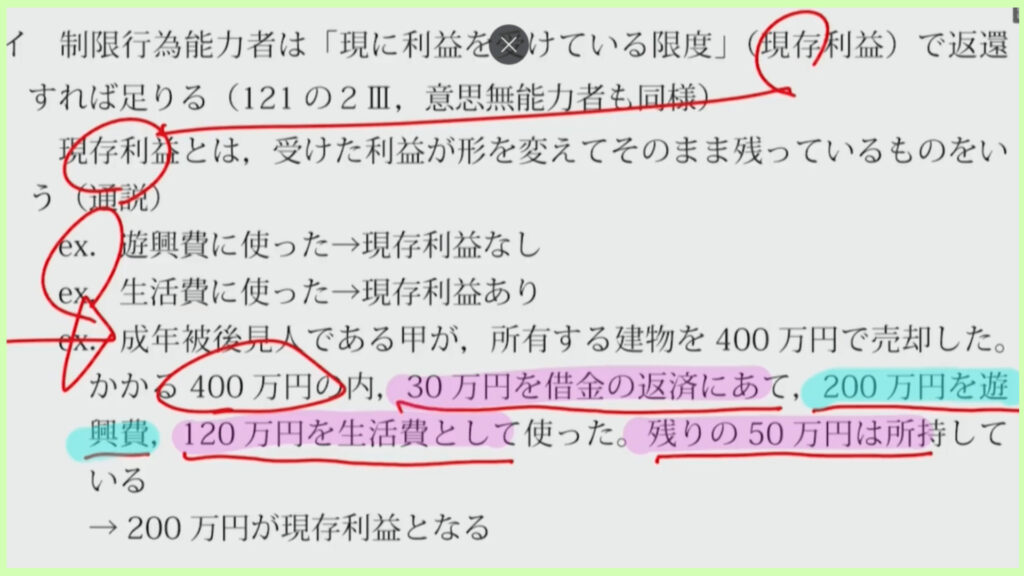
アガルートの学習でスマホは、外出先でのインプットやスキマ時間での予習・復習に使いましょう。デジタルデータ版のテキストや、動画講義はネットに接続できればどこでも見れます。さらに、講義の音声ダウンロードも可能で、通勤中やスポーツのプレイ中などながら作業でも活躍します。
セサミン人は繰り返しの学習で、記憶がより強く定着します。
アガルートは効率的な特徴が評判で選ばれています。「アガルートの講座がスマホで見づらくてひどい」という評判は、アガルートのスマホ活用法がわからず特徴を生かせていない人の発言と判断できます。
「アガルートで自己採点した結果がひどい」は、アガルートの評判ではない
アガルートでも模擬試験や解答速報を行っています。結果を自己採点し、点数が悪かった受講生が「アガルートで自己採点した結果がひどい」と投稿していました。自身の試験結果にひどいという投稿内容で、アガルートがひどいと言っている評判ではありませんでした。
アガルートは資格試験の解答速報も出しています。本試験を終えた受講生が、速報をチェックして「問1~7までの出来がひどいが、期待してない部分が良かった。」など当日の出来を投稿している事例も見受けられました。これら複数の事例から、アガルートの評判でなかったと判断しました。
セサミン努力の成果が出る試験後は一喜一憂するものです。
「アガルートの最近の評判がひどい」は個人の主観的な発言だった
良い評判や悪い評は一つの判断指標として頻繁に使われます。ですが、事実や反対意見の確認など、その情報の信憑性を確かめることをおすすめします。調査の結果「アガルートの最近の評判がひどい」は、発言の根拠も示されていない個人の主観による発言でした。
今回の場合は、まず投稿者はどのようなアガルートのひどいと言っている評判をみたのか。そして、何を根拠にひどいと言われている評判を信じたのかが不明です。
論文が書けるようになるために必要と言われていた短文事例問題集である重要問題習得講座がカリキュラムにあること、それの評判もまた良かったこと、(中略)法科大学院過去問の講座でも頼ることが可能なことからアガルートを選びました。
出典:アガルートアカデミー合格者の声
アガルートのホームぺージでは、合格者の声として詳細なアンケートをアップしています。実名で顔を出しているだけでなく、何が良くて何が悪かったのかを細かく解説。後に続く受験者に役立つ、有料級の情報が豊富です。このようなエビデンスがあれば信用に足る情報と判断ができます。
セサミン根拠がない発言は参考程度にしておきましょう。
「アガルートの最近の評判がひどい」という投稿は抽象的です。投稿者はアガルートを利用していないと推測できます。つまり、この投稿は『非利用者による、ひどいと言われている評判を信じた』主観的な発言と判断できます。
アガルートだけじゃない。ひどいと言う評判はすべてにあることを理解する


やっぱり、アガルートがひどいっていう声はあるのか…。
セサミンどんなものにも、ネガティブな投稿は存在します。
匿名性の高いSNSの登場で、私たちがネット上に投稿するハードルは一気に下がりました。その情報が主観的か、客観的な視点を持ったものなのか、事実確認は簡単ではありません。そんな中、「アガルートがひどい」と言われている評判は、多かれ少なかれ出てきます。
ですが、それらは発信者の主観によることが多く、事実と違うこともあります。まず重要なのは、すべての事柄には一定数のネガティブな発言があるということ理解しておきましょう。
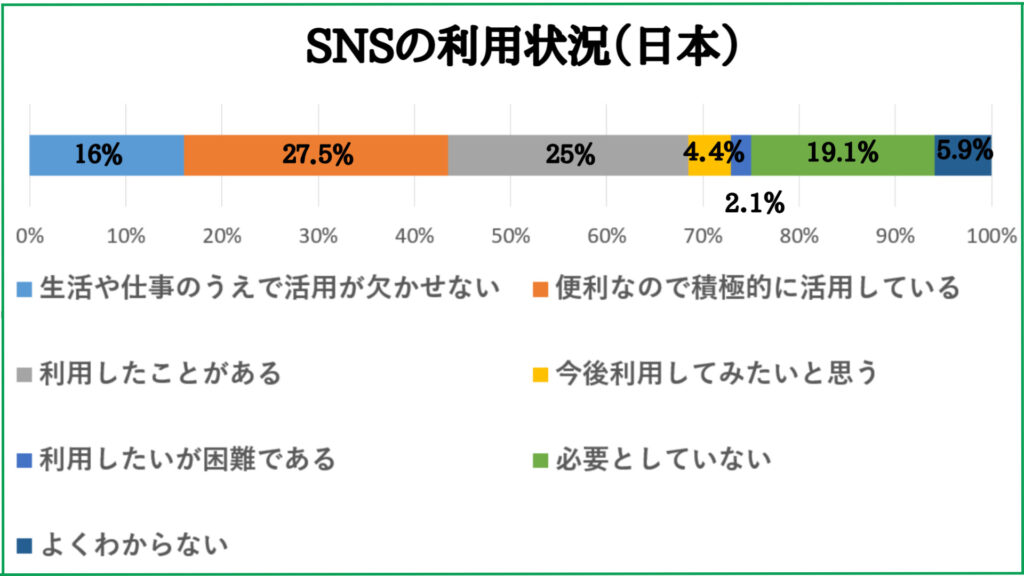
参考:総務省(2022)「国内外における最新の情報通信技術の研究開発及びデジタル活用の動向に関する調査研究」を基に作成
調査結果で、SNSの利用したことがある割合は約70%となっています。年代を問わず活発な情報拡散が行われており、SNSは私たちの生活に無くてはならないものとなりつつあります。では、利用者はどのような基準で拡散する内容を選んでいるのでしょうか?
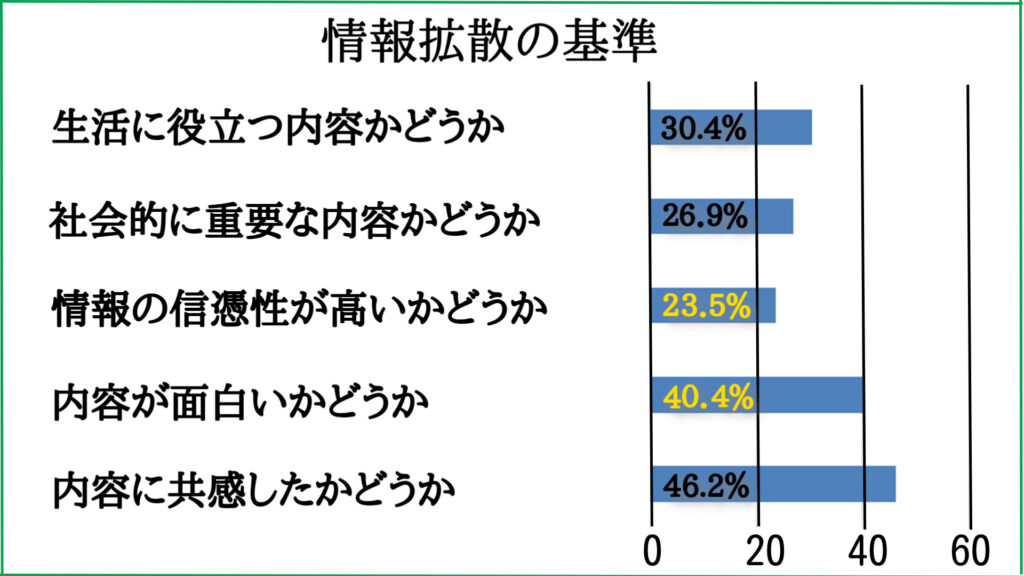
参考:総務省「社会課題解決のための新たなICTサービス・技術への人々の意識に関する調査研究」(平成27年)を基に作成
上記表はSNS利用者が情報を拡散する基準です。ここで注目してほしいことは、「内容が面白いかどうか」が40.4%となっているということ。反対に「信憑性が高いかどうか」が、23.5%と相対的に低いことも重要です。つまり、SNSの情報拡散は事実かどうかよりも、面白いかどうかで選ばれる傾向があるということなんです。
セサミンSNSの場合はどれも個人的な感想であることを理解しておきましょう。
顏が見えにくいプラットホームの登場で、ネガティブな投稿も多くみられます。さらに、SNSは各世代に幅広く普及し、不特定多数の人が利用しています。
あなたはアガルートがひどいという評判の存在を知って、落胆されたかもしれません。しかし現在のSNS普及状況と利用者の背景から、その投稿は主観的なものが大半です。大切なことは、そういう類の評判はあらゆるものに存在することを理解しておくことなのです。
アガルートがひどいという評判の真偽。判断する3つのポイント

ひどいって言っている評判の事実は、どう確認すればいいの?
セサミン真偽を判断するための3つのポイントがあります。
- 「現在」も同じ状況なのか。
- どの立場のだれが書いているのか。
- 複数の情報源で確認する。
「ひどいという評判」の真偽を判断する3つのポイントを紹介します。この判断方法は、アガルート以外の情報確認にも使えます。あなたも情報の信憑性を判断でき、今後は悪い評判を見て不安や疑心暗鬼に陥ることも少なくなるでしょう。
セサミンあなたも不確かな噂でチャンスを失うことはありません。
アガルートがひどいと言われたのはいつ?現在も同じ状況か確認しよう
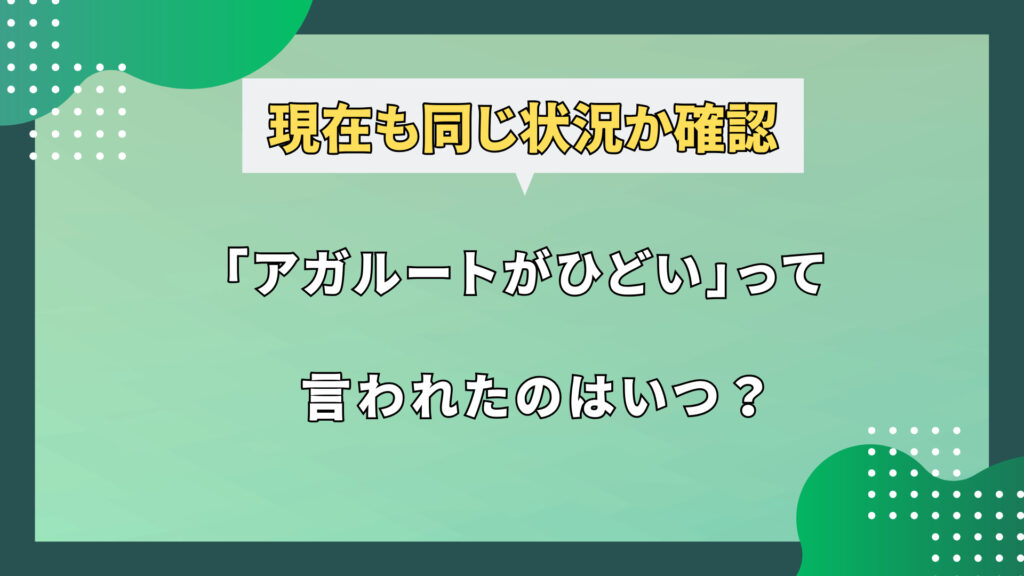
解決済みのサーバートラブルについても、いまだに「アガルートがひどい」という過去の評判を見かけるのです。企業は信用を下げるような問題を放置しておきません。必ず現在の状況を確認しましょう。
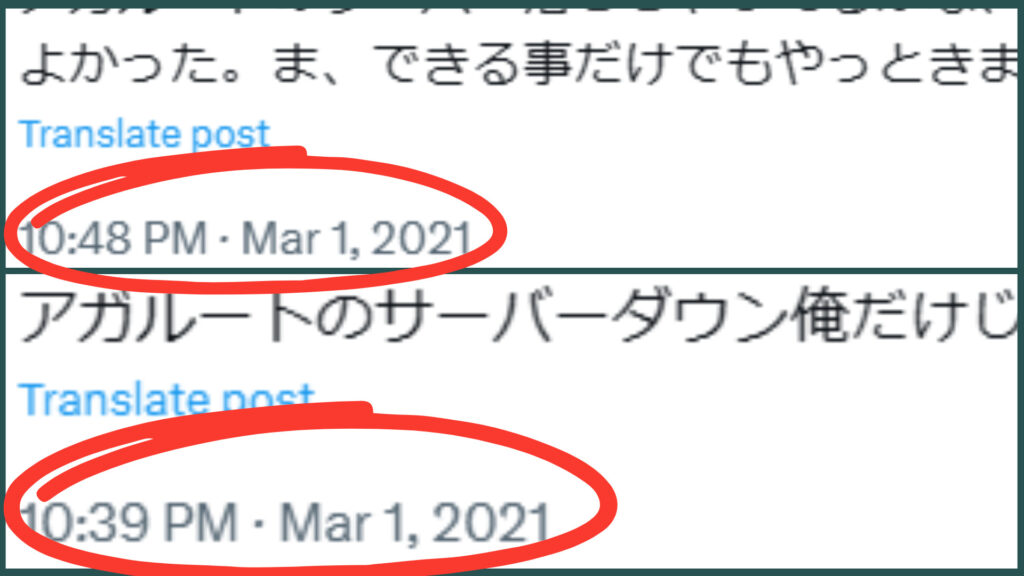
SNSはキーワードで検索をかけると、数年前の投稿が検索トップに表示されることもあります。アガルートに限らず、企業は顧客の信用を下げるトラブルを嫌います。そして企業サイドも広告や公式サイト、公式SNSで改善内容を発信しています。
あなたもアガルートのひどいと言われている評判をみたら、まず最新の投稿かどうかを確認しましょう。それから、アガルートの公式サイトや公式SNSなどで、現在の状況は評判と同じなのかを確認しましょう。
どんな人がアガルートをひどいと言っている?どの立場の誰なのか確認しよう
アガルートがひどいと言う評判は、主にSNS上でみられます。SNS情報の真偽を判断するには、まず発信元のアカウントが信頼できる人かを確かめることが重要です。以前から攻撃的な投稿が多い人の場合は、よりネガティブな主観が入っているかもしれません。
- 日ごろから攻撃的な人の投稿。
- バズりたい人のネガティブな投稿。
- 非利用者の主観的な投稿。
実際にアガルートをひどいと言っていて、さらにアガルート以外の評判投稿でも攻撃的な人のSNSをみかけました。そのアカウントはすでに凍結済みとなっています。SNSは匿名性が高く、バズって承認欲求を満たしたい人や、成果が出なくて感情的になった人の投稿もみかけます。
情報はどの立場の誰が発信しているのかを確認しましょう。SNSに限らず、具体的な情報を開示している人は責任が伴うため、真偽が不確かな発信をしません。
セサミンその評判は、あなたが信頼している人の発信ですか?
アガルートはひどいと信じる前に!評判は複数の情報源で確認しよう

アガルートがひどいと言っている評判を、1つの投稿だけで信じていませんか?知り得た情報が正しいのかの確認方法として、クロスチェックがあります。クロスチェックとは1つだけではなく、ほかの情報源と照らし合わせて確認することです。
同じデータや根拠に基づいていても,解釈や立場によって正反対のことを述べている場合もあります。1つの情報源からだけでは,物事の適切な判断は困難です。
出典:日本文教出版「情報の信憑性」
正しい情報を得るためには、信頼できる情報源で複数確認することが大事です。新聞社や官庁、大手メディア団体など。しかし、評判など利用者の意見を知りたい場合はSNSが多くなるでしょう。SNSは個人の主観での発言が多く、また拡散を希望した過激な投稿も見られます。
セサミンSNSの情報だけに頼ることは大変危険です。
複数の人や複数のプラットフォームでの投稿を確認すると、信頼できる情報かどうかがわかります。あなたも必ず複数の情報源で正確性を確認しましょう。
アガルート合格者の声でモチベアップ。評判で感じたひどい不安を解消

アガルートではホームページに合格者の声を掲載しています。合格者の声は顔や名前が公表されているため、信憑性が高く大変参考になります。特に学習上の工夫と、試験に取り組む姿勢は具体的で合格までの道のりをイメージしやすいです。
アガルートの合格者の声は、合格者のみが受けれる特典の条件となっています。特典を受け取るために良いアンケート結果しかないのではと思ったあなた。そんなことはありません。アガルートの良い点ばかりではなく、誤記があったことや個人の感想であることにも触れています。
あくまでも私の体感ですが、本講座は土地家屋調査士講座と比べてシンプルにまとめられていて、誤記も少なく、新しい講座なのに完成度の高さに驚きました。
引用:アガルートアカデミー合格者の声
アガルートの合格者の声はSNSとは違い、顔や実名が公表されています。インタビューを受ける方はすべてを公の場に出すため、信憑性が低いことや噓を発信するような無責任なことはできないのです。

合格者の声は必然的にエビデンスの高い評判となっています。あなたもSNSの評判を、合格者の声でクロスチェックをしてみてください。合格者の声に反対意見が掲載されている場合は、そのひどいと言われている内容は信憑性がかなり低くなります。
そして、合格者の声で複数みられる意見は、より信頼性の高い情報と判断してよいでしょう。さらに、各受験者ごとの学習方法やテクニック、スケジュール管理のポイントなど役立つ情報が多く、合格を目指すあなたのモチベーションを上げてくれます。
\クロスチェックもできる!/
合格者特典もあり!
アガルートがひどいは個人の見解。評判に惑わされず合格を目指そう

アガルートがひどいと言う評判は、すでに解決済みや非利用者による個人の主観での発言が大半でした。そしてアガルートだけでなく、「ひどい」という投稿はすべてのものに存在することを理解しましょう。大切なのはその評判の真偽を見抜く力です。
- 「現在」も同じ状況なのか。
- どの立場のだれが書いているのか。
- 複数の情報源で確認する。
情報の信憑性を確かめると、評判に惑わされることが少なくなります。「ひどい」という評判を見て、漠然と不安になることはもうないでしょう。
そして、アガルートでは合格者の声を公表しています。合格者の声では、経験談や失敗談、それに対する改善策など受験生にとって価値の高い内容ばかり。合格までのプロセスを顏や氏名を公開して回答しているため、信憑性はかなり高いのです。
セサミンあなたに似た状況の声があれば、合格は見えたも同然です!
さらにアガルートでは合格者特典があります。講座の種類によっては、実質無料になることも。あなたも「最短距離で合格したい」と思うなら、いますぐアガルートで試験突破の学習をスタートさせましょう。
\効率的な教材と高い合格率!/
合格者特典もあり!